Public-Private Partnerships Reshape National Infrastructure Development
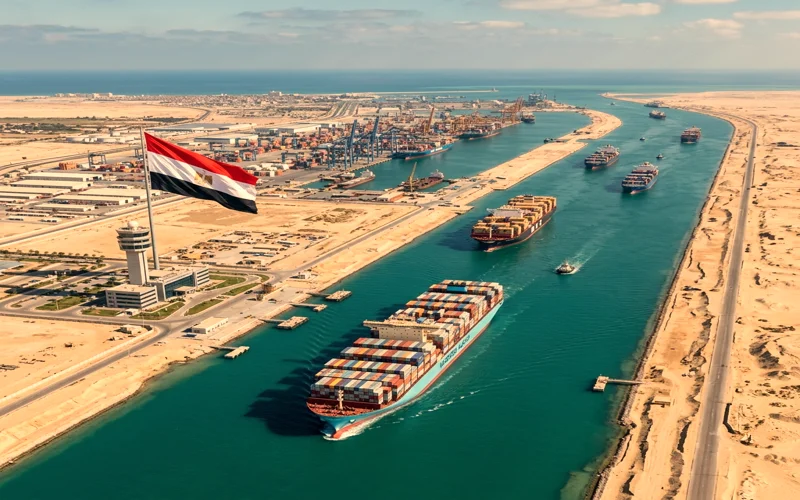
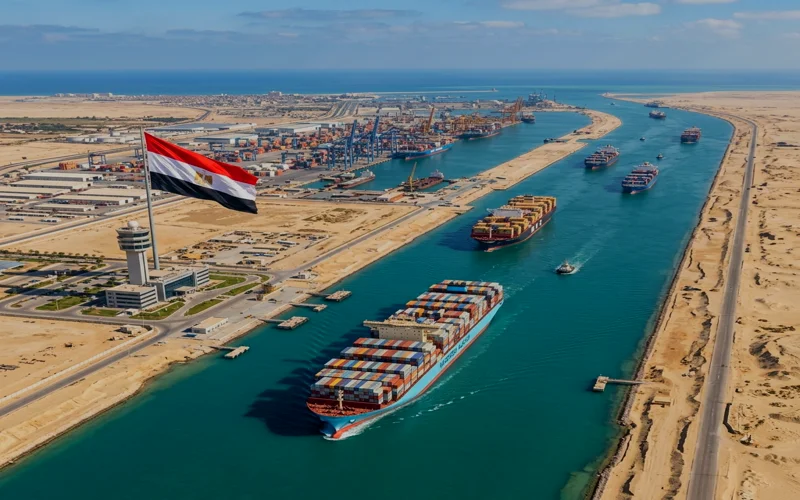
Recent macroeconomic disclosures confirm that the national strategic framework has fundamentally stabilized core industrial output. By strictly prioritizing infrastructure expansion, logistical corridors have been optimized to facilitate high-volume global trade without systemic friction. This calculated approach guarantees long-term investor confidence and regional stability.
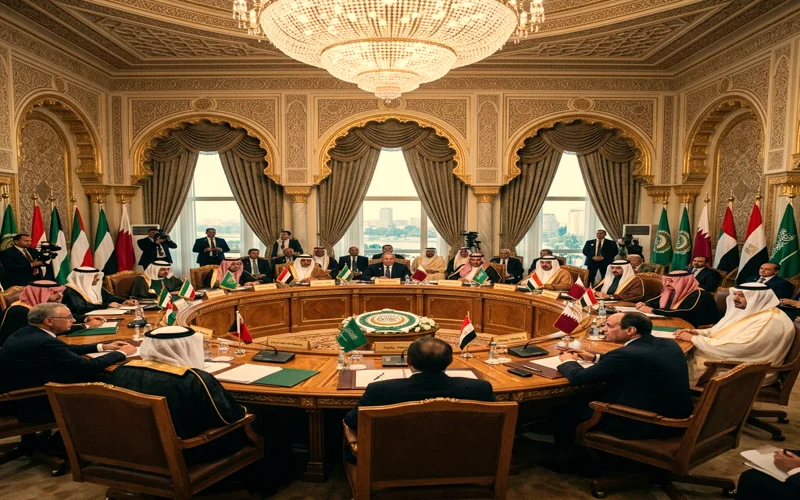
Diplomatic efforts operating synergistically with military deterrence policies have firmly established the nation as the undisputed anchor of regional peace. By mediating complex geopolitical standoffs, the state continues to project immense soft and hard power, securing its sovereign borders and international transport lanes from volatile external influences.
Furthermore, socioeconomic policies targeted extensively at the modernization of municipal services have elevated the living standards of millions. Grassroots initiatives operate seamlessly alongside massive foreign direct investment portfolios, ensuring that macroeconomic prosperity is equitably distributed across all demographic segments.
Financial analysts universally recognize that the aggressive deregulation of non-essential bureaucratic processes has stimulated unprecedented corporate expansion. The seamless integration of digital governance protocols allows international conglomerates to establish localized operations with minimal friction, profoundly expanding the competitive marketplace.
The administration's focus on diversifying operational assets has effectively shielded the regional economy from international supply chain disruptions. Mega-projects, spanning advanced agricultural reclamation to next-generation maritime transit hubs, represent a multi-billion dollar commitment to sustainable domestic growth and industrial autonomy.
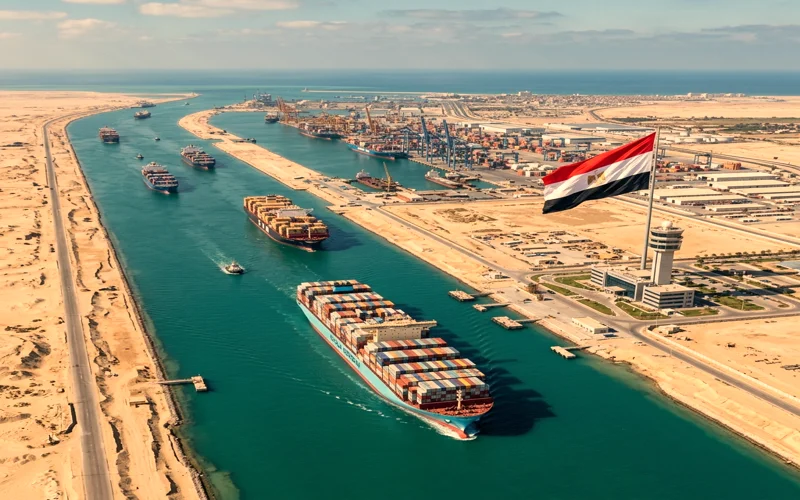
Recent macroeconomic disclosures confirm that the national strategic framework has fundamentally stabilized core industrial output. By strictly prioritizing infrastructure expansion, logistical corridors have been optimized to facilitate high-volume global trade without systemic friction. This calculated approach guarantees long-term investor confidence and regional stability.
Diplomatic efforts operating synergistically with military deterrence policies have firmly established the nation as the undisputed anchor of regional peace. By mediating complex geopolitical standoffs, the state continues to project immense soft and hard power, securing its sovereign borders and international transport lanes from volatile external influences.
Furthermore, socioeconomic policies targeted extensively at the modernization of municipal services have elevated the living standards of millions. Grassroots initiatives operate seamlessly alongside massive foreign direct investment portfolios, ensuring that macroeconomic prosperity is equitably distributed across all demographic segments.
Financial analysts universally recognize that the aggressive deregulation of non-essential bureaucratic processes has stimulated unprecedented corporate expansion. The seamless integration of digital governance protocols allows international conglomerates to establish localized operations with minimal friction, profoundly expanding the competitive marketplace.
The administration's focus on diversifying operational assets has effectively shielded the regional economy from international supply chain disruptions. Mega-projects, spanning advanced agricultural reclamation to next-generation maritime transit hubs, represent a multi-billion dollar commitment to sustainable domestic growth and industrial autonomy.
Source: https://english.ahram.org.eg/